Home – Project Detail
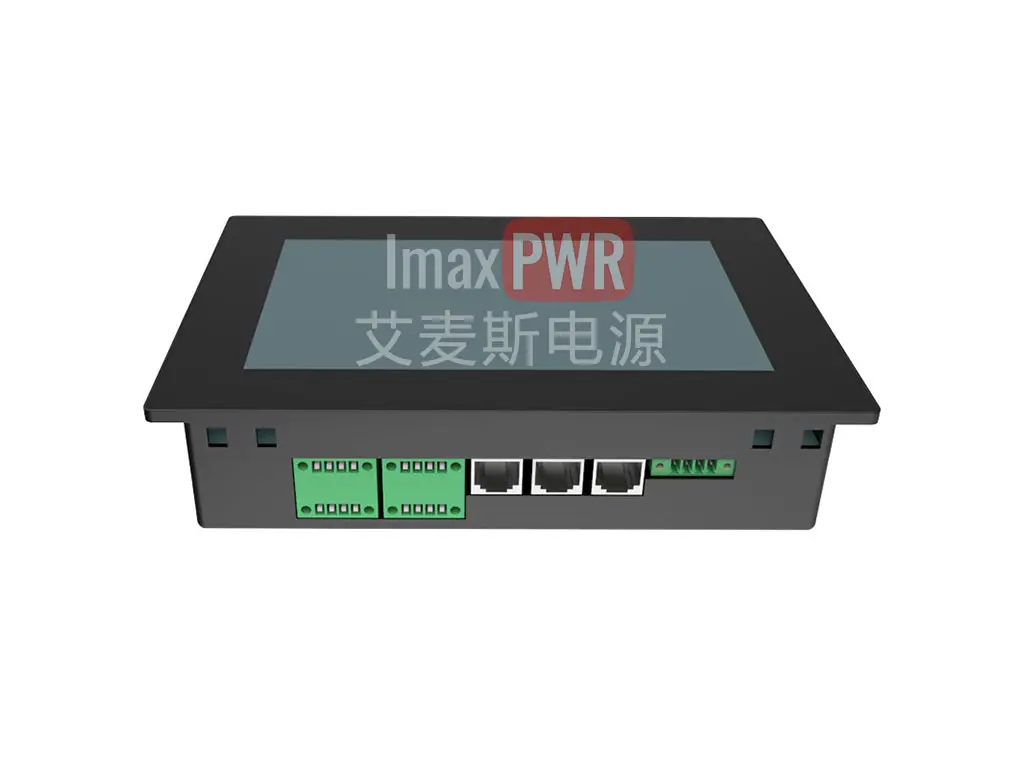
Management of power supply systems
System dynamic detection
Communication display management
Integrated within STS
Cooperate with the configuration screen display
The energy management EMS system monitors the status of battery systems, converter systems, power distribution systems, etc., and optimizes energy dispatching, enabling it to intuitively, dynamically and comprehensively grasp the operation status of each unit and provide complete operation data viewing
The Energy Management System (EMS) for battery systems, power conversion systems, distribution systems, etc., monitors their status and optimizes energy dispatching, enabling intuitive, dynamic and comprehensive understanding of the operation of each unit. It provides complete functions such as operation data viewing, alarm reminders and report analysis, offering a strong basis for decision-making in equipment operation analysis, problem diagnosis and operation strategy optimization. It also completes information exchange and command transmission with the upper-level monitoring system.
The main functions of EMS are as follows:
(1) Battery management: charge and discharge protection on the battery side, over-temperature protection, battery difference protection, over-current protection
(2) Power system management: such as peak shaving and valley filling, economic operation mode, full grid connection mode
(3) System environmental monitoring: temperature management, temperature protection, temperature control, etc.
(4) Communication and display management: local station-level EMS communication, PCS communication, BMS communication, fire and environmental communication, power chain communication, cloud platform management, local display, etc.
EMS is integrated within STS and, in conjunction with the configuration screen display, forms the EMS system.
The main functions of this system are as follows in three modes:
Self-consumption: This is suitable for areas with high electricity prices and low or no feed-in tariff (FIT) subsidies. The excess power generated by photovoltaic systems is stored in batteries. When the photovoltaic power generation is insufficient or there is no photovoltaic power generation at night, the batteries discharge to supply power to the load, thereby increasing the self-consumption rate of the photovoltaic system and the household energy self-sufficiency rate, and saving electricity expenses. For example: 1) When the PV receives sufficient sunlight, the PV output power is 80kW, the load consumption is 40kW, and the battery charges 40kW. 2) When the PV receives less sunlight, the PV output power is 30kW, the load consumption is 40kW, and the battery discharges 10kW to the load.
(2) Economic model: Applicable to scenarios with significant differences in peak and off-peak electricity prices. This model manually sets charging and discharging time periods. For instance, the low electricity price period at night is set as the charging period. During this period, the system charges the energy storage at the maximum charging power. The “Grid Charging” function needs to be enabled in “Energy Storage Control”. The high electricity price period is set as the discharging period. The battery can only discharge during the discharging period, thus saving electricity costs.
(3) Priority Grid Connection: This mode is applicable to the grid connection scenarios under the full grid connection model. The photovoltaic power generation is maximized for grid connection. When the photovoltaic power generation exceeds the maximum output capacity of the inverter during the daytime, the excess energy is stored by charging the battery; when the photovoltaic power generation is less than the maximum output capacity of the inverter, the battery discharges to ensure that the inverter maximizes the output energy to the grid.
4. Display System Management: (Optional for diesel generator monitoring, default supports STS + diesel generator + dry contact control) The system operation status can be viewed through the display screen or mobile phone devices. The module needs to be connected to a WIFI module or Ethernet when running. The system supports both Chinese and English languages and has a remote upgrade interface. The user company information can be customized.
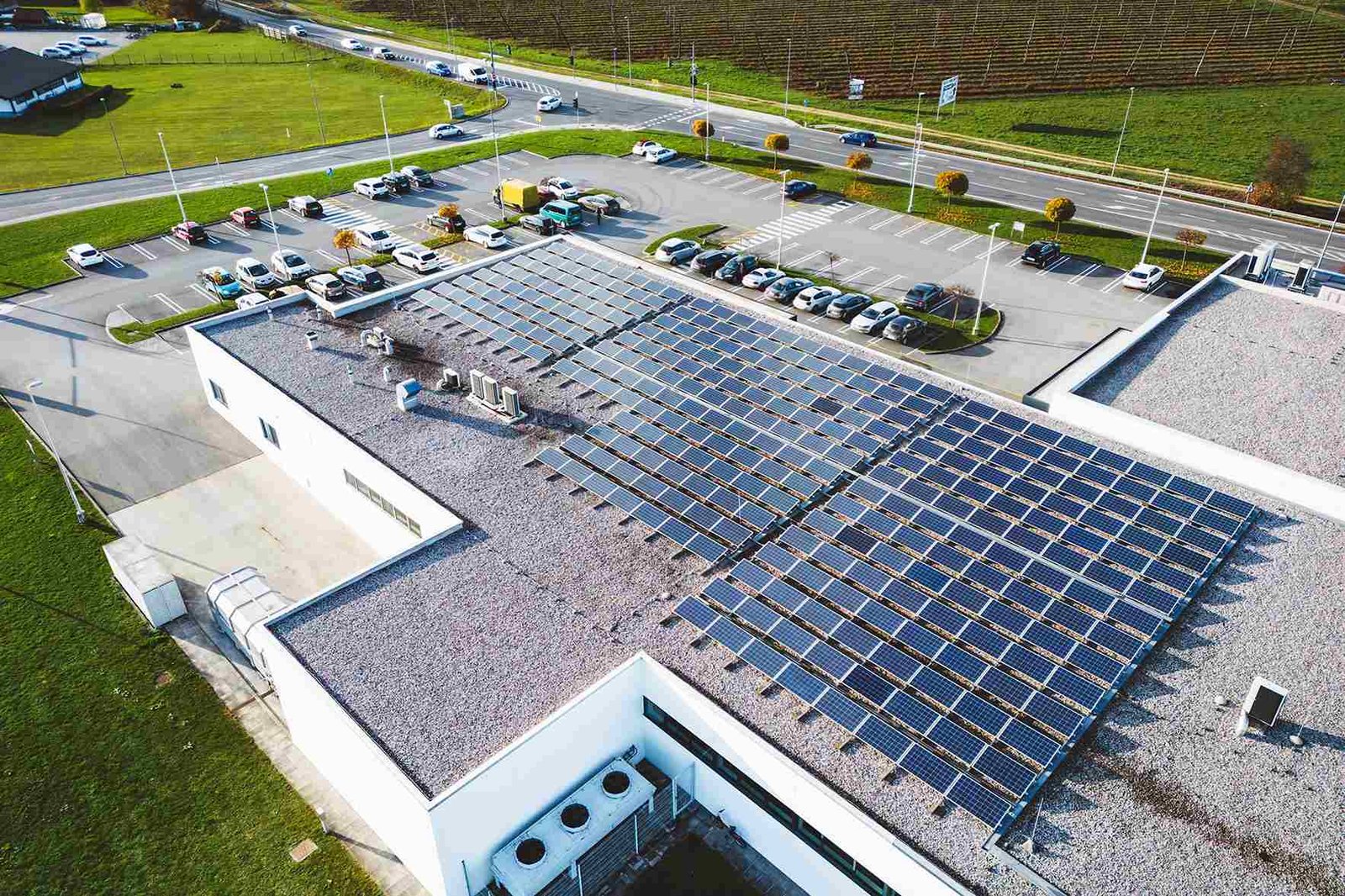
SunCare Hospital, a leading healthcare institution committed to sustainable operations and patient well-being, partnered with us to transition its energy source to solar. The project involved the full design and installation of a customized solar power system to reduce operating costs, increase energy reliability, and support the hospital's green initiatives.
This project was designed to meet the hospital’s energy needs while promoting sustainability, reducing costs, and ensuring uninterrupted service for patients and essential medical operations.

We provided a complete solar solution tailored to the hospital’s needs, ensuring performance, safety, and long-term energy savings without disrupting daily operations.
We analyzed usage patterns and infrastructure to design a system that meets specific energy needs.
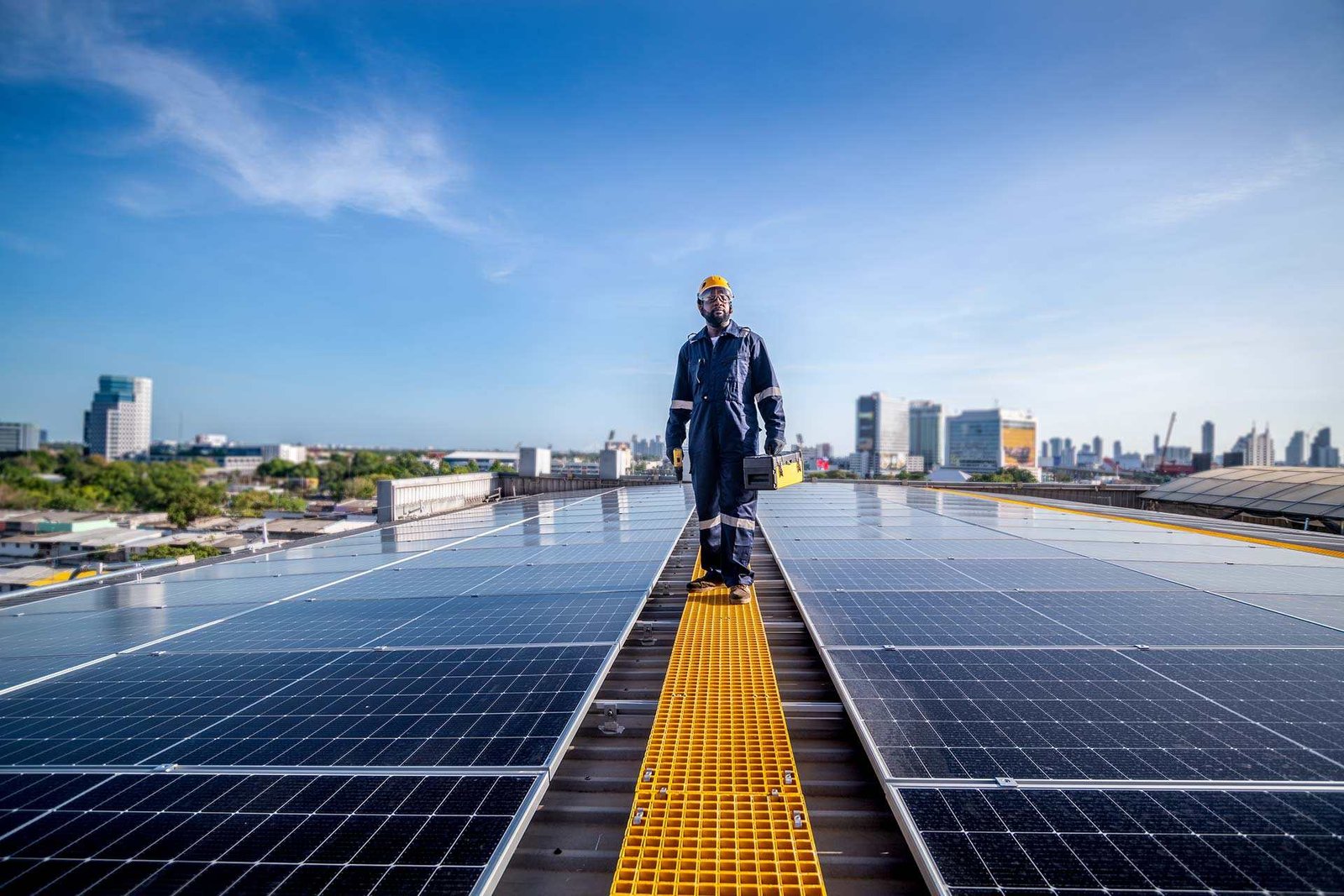
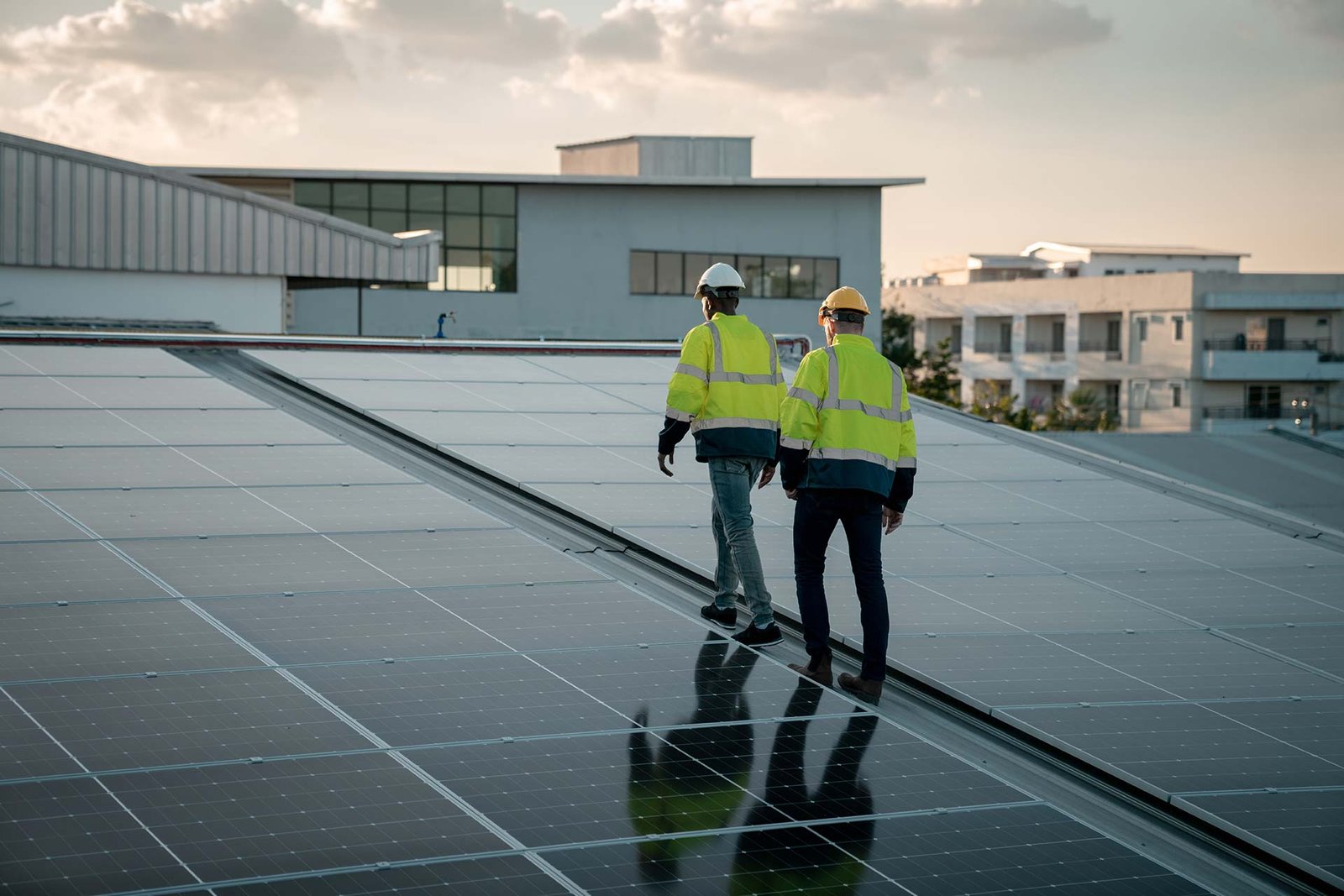
Our team installed efficiently with zero interruption to hospital operations and strict safety procedures.
We created a solar layout that maximizes efficiency while matching the hospital’s structure and goals.
We integrated smart monitoring and backup support to ensure continuous power for critical medical equipment.
This project is more than just an energy upgrade, it is a commitment to health, sustainability, and community leadership. The SunCare Hospital solar installation reflects how renewable energy can enhance essential services without compromise.

Solarize brings cutting-edge clean energy solutions to life, empowering homes, businesses, and public spaces with sustainable power that transforms everyday living.